
A lot of us in the Second Amendment community gear our disaster preparation activities towards the zombie apocalypse or other the-end-of-the-world-as-we-know-it (TEOTWAWKI) events. Kudos if this is you, however the recent atmospheric river fueled storms in Northern California and the resulting flooding, power outages, mudslides and road closures should serve as a reminder to all of us that we need to be prepared for all sorts of emergencies.
Every part of the country has some kind of natural, as well as man made, disaster potential. Those of us in California are expected to be on top of our game due to the constant threat of the next big earthquake. Most of us have the requisite 72-hour kit in our car, home and/or place of business. The main idea is to be able to sustain yourself and your family until relief comes, typically within three days. While critically important, it tends to focus us on the worst-case scenario of what could occur instead of what is more likely to happen.
Note that the two ends of the spectrum are not mutually exclusive, it is only the time frame being prepared for which dictates the depth of the planning and supplies that are different. Both ends of the spectrum provide the same essential, self-sustaining elements.
Prepping is not a new or novel concept. It’s been around forever and occasionally becomes the focus of a series of news stories, often times chronically someone at the very bleeding edge of preparedness. The truth is families have been preparing for disruptions of normal daily life and services since the dawn of time; one extra can of beans at a time.
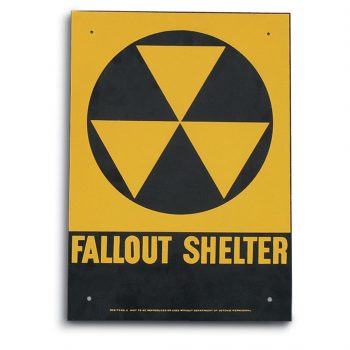
Growing up on active SAC (Strategic Air Command) bases, I really didn’t think anything of the extra storage of water, food and other supplies we had on hand, although I do recall wondering why we had so many cans of peas. Once my parents were out of the Air Force and we were living in a small New England town, I remember spending the night in my uncle’s Civil Defense Fallout Shelter, big yellow sign, emergency toilet and stationary bicycle power and all. Again, I thought that’s what everyone did.
The recent storms across Northern California have seen historic rainfall amounts. As a result, many communities were flooded and forced many to be evacuated. Power was disrupted for thousands. Mudslides covered roads and cut off communities. Erosion undermined others and entire sections of roads were gone. While not a catastrophic event, there was – and still continues to be – significant disruptions in peoples lives due to the storms.
At the very least, we all need to take a look at our own family’s preparedness level and start filling in the gaps. Essential things including having a plan for care of children, elderly parents or pets in case we can’t get home. Aside from that 72-hour life sustaining kit in the car, just some extra water, food, comfort items and a charger for your cell phone can minimize disruptions in the transportation system. A small overnight bag with a change of clothes and some extra cash can come in handy in case you can’t make it home. And of course, a force multiplier you are comfortable with. Keep in mind while you are trying to take care of yourself and your loved ones in an emergency, there are others who will try to take advantage of the disruption for their own means. Always be safe.
There are a lot of good resources available including FEMA (Federal Emergency Management Agency), CDC (Center for Disease Control and Prevention) and the Red Cross. Many local government agencies and private companies also offer basic and advanced emergency preparedness classes. There are also a number of online resources dedicated to prepping at all levels.
As I am writing this today the sun is shining and the sky is blue, things not seen around these parts for a while. As such, it is the perfect time to take a look at your own emergency plans. Remember it doesn’t have to cost a lot to be better prepared and you can do it in small steps over time. Each incremental bit of planning means you and your loved ones are better prepared for an emergency, not only for the worst-case scenario of what could occur but also what is more likely to happen.
Bob
#oddstuffing, #secondamendment, #prepping, #emergencypreparedness, #TEOTWAWKI, #FEMA, #CDC, #redcross, #mewe, #medium, #instagram, #oddstuffing.com